
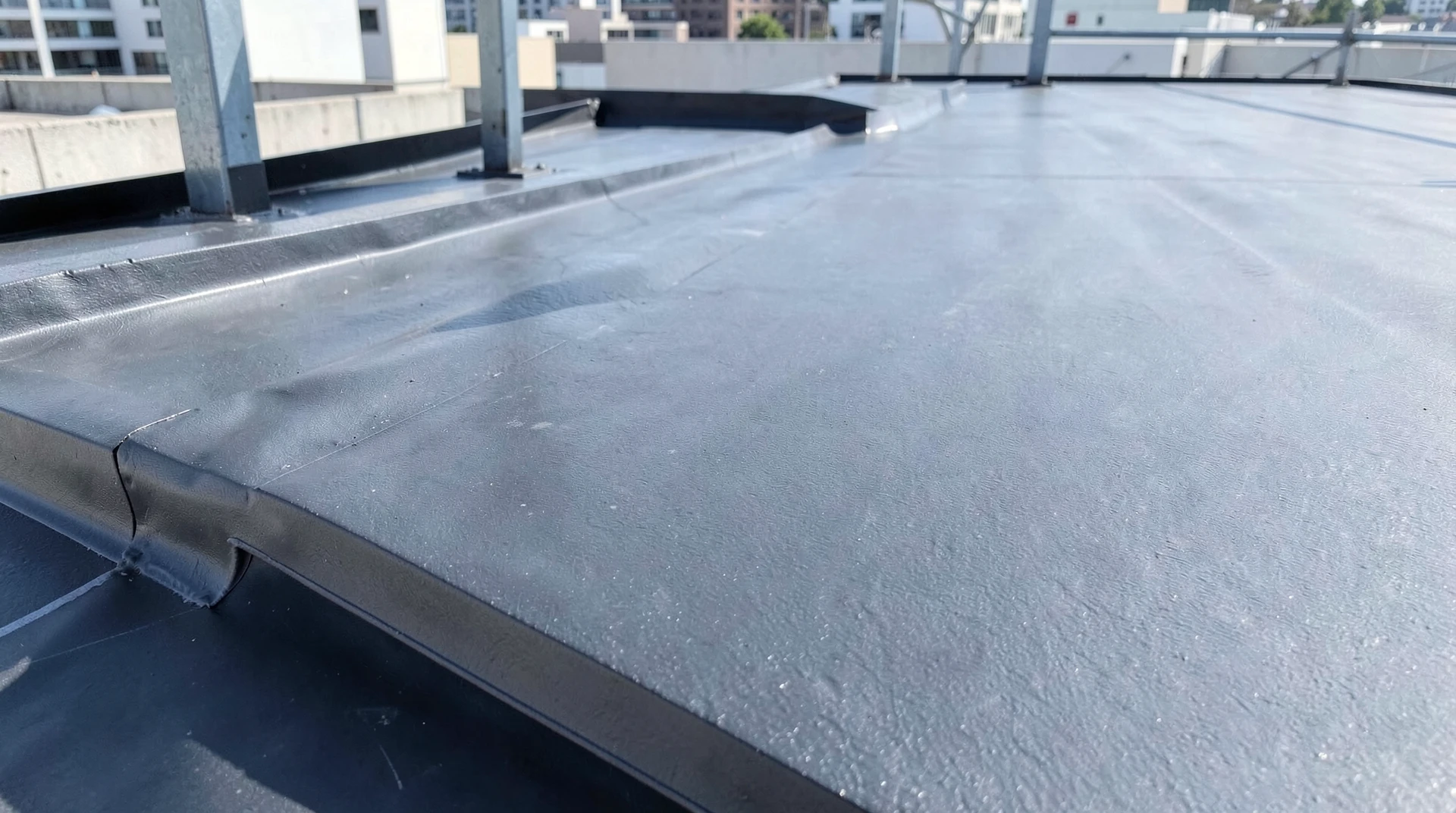
If your home or commercial property features a flat or very low-slope roof, you know that leaks can be incredibly stressful. The thought of water stains spreading across the ceiling, or finding a damp patch in an otherwise immaculate space, is genuinely worrying. Before calling out an emergency repair crew and facing high costs, it’s essential to understand what materials are actually designed for your specific surface. That's where specialized membranes come into play.
Modified bitumen roofing membrane isn't just another term for tar; it represents a durable, highly engineered material built specifically to handle the unique challenges of non-sloped surfaces. While most people associate roofing with the steep pitch and layered protection of asphalt shingles, low-slope areas-think patios, mechanical rooms, or large commercial sections-require entirely different waterproofing solutions. Modified bitumen excels because its primary strength is creating a seamless, robust waterproof barrier on a contained surface. It’s designed for those critical areas where water doesn't run off quickly, but needs to be carefully managed and diverted away from the structure below.
When we assess any low-slope roof-whether it's a residential addition or a large commercial building right here in White Rock Lake-our initial focus is always on the system underneath the membrane: the drainage points, the structural support, and the crucial flashing details. A great material cannot compensate for poor underlying design. This thorough inspection process is key to ensuring that your roof doesn't just look good today but remains structurally sound for decades to come.
Why Modified Bitumen Excels on Specific Flat Roof Applications
Understanding where modified bitumen performs best helps greatly in determining if it’s the right choice for your project, whether you are planning a renovation or simply need peace of mind after a storm. Because this material is inherently flexible and durable, its application shines in several specific use cases that demand superior waterproofing performance.
One primary area where these membranes shine is with green roofs. Green roofs, which incorporate vegetation into the roofing structure, add incredible aesthetic value and help manage stormwater runoff-a major benefit for local drainage systems. However, they are also extremely demanding on the underlying membrane, requiring a flexible material that won't crack from root growth or temperature shifts. Modified bitumen provides this resilience.
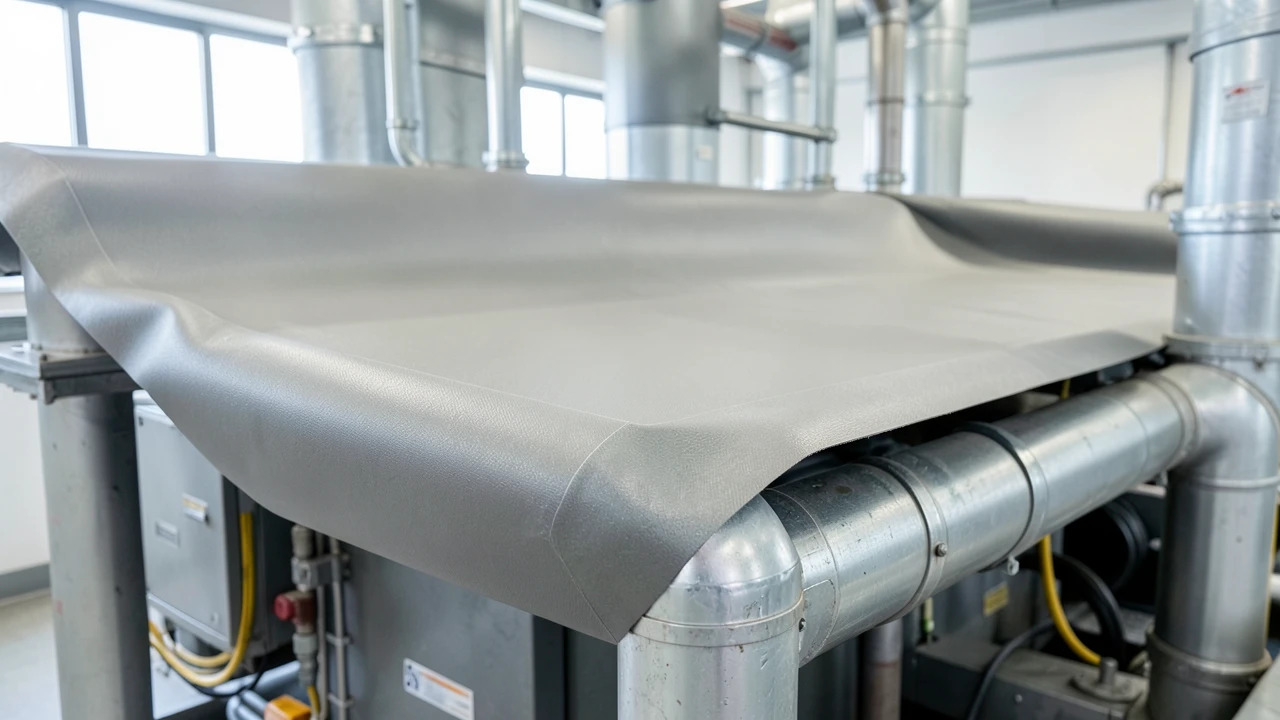
Another ideal use is in commercial mechanical rooms or large flat sections of buildings. These areas often house HVAC units and machinery, meaning they experience constant vibration, varying loads, and significant thermal expansion/contraction-all factors that can stress less flexible materials. The inherent durability and flexibility of modified bitumen allow it to handle this kind of movement better than many rigid options.
When we discuss flat commercial roofing solutions, cost-effectiveness often plays a role alongside performance requirements. While other membranes like TPO or specialized coatings are excellent, modified bitumen offers a robust waterproofing solution that can be highly effective for medium-budget projects that still demand high levels of protection from the elements, especially in the challenging Texas climate.
Crucially, its longevity relies heavily on proper installation and regular maintenance-a point I always emphasize to my clients. A membrane is only as good as the crew that installs it and the owner who maintains it. By proactively addressing minor wear and tear, we ensure that what might look like a small patch today doesn't become a massive structural failure ten years from now.
Navigating Leaks and Damage on Low-Slope Roofs
Let’s talk about the pain point most homeowners worry about: the leak. Finding water stains or persistent drips-whether it’s in an attic, a basement ceiling, or even just a damp patch on a patio-can be stressful, making professional advice like reliable residential roofing help invaluable. The reality of low-slope roofing is that leaks rarely appear randomly; they usually track back to specific points of failure.
The most common culprits are not the main surface itself, but the flashing details. Flashing is essentially metal or specialized material used to seal transitions-where a wall meets the roof, where a vent pipe penetrates the membrane, or around parapet walls (the vertical containment walls at the edge). These seams, while critical for keeping water out, are also the most vulnerable points. Water finds the path of least resistance, and these joints are often it.
When dealing with what amounts to low-slope roof repair white rock lake tx, we must be methodical. A simple visual inspection is never enough. We need to determine if the issue is a minor breach in the membrane-a small tear from debris or settling-or if the problem is symptomatic of deeper drainage issues, such as clogged gutters or an improperly sloped area that allows water to pool and exert pressure on the seams.
Sometimes, all it takes is knowing how to apply a targeted patch using modified bitumen's specific bonding properties. This avoids the need for a massive, disruptive tear-off. However, this expertise in localized repair must always be paired with structural understanding. For instance, when discussing commercial roofing in Lake Highlands, we have seen countless instances where a seemingly minor stain was actually evidence of inadequate drainage planning years ago; identifying that deeper systemic issue is the difference between a temporary fix and lasting peace of mind.
Considering Your Full Roof Replacement Options in White Rock Lake
While modified bitumen is unmatched for dedicated flat sections, most established homes-especially those in beautiful neighborhoods like Indian Creek or Country Place-rely on sloped roofing to manage runoff efficiently. It's important that we don't overlook the entire roof system just because we spent time discussing membranes.
Understanding when to replace a flat roof is different from understanding when to replace a pitched roof, but both require an expert eye for signs of exhaustion. A full roof replacement cycle is triggered by age (typically 15-20 years), physical damage that penetrates the entire structure, or systemic failure in the underlying decking.
When homeowners are considering a complete overhaul, we must assess their needs-are they prioritizing maximum curb appeal with slate and tile? Or perhaps robust fire resistance and low maintenance offered by metal roofing? We can briefly discuss these popular alternatives (like premium asphalt shingles), but I always guide the conversation back to the core principle: the material must match the structure. A beautiful, high-end home requires a roof system that not only looks incredible but guarantees long-term structural integrity against Texas weather extremes.
The transition from flat membrane expertise to pitched roofing replacement is seamless because both require us to look past the visible surface. We are looking at decades of accumulated water damage, wood rot, and the underlying connections between materials. Our goal is always a holistic solution that addresses every layer-from the flashing details right up to the final shingle or coating.
Peace of Mind Through Professional Assessment and Repair
Ultimately, when you call us out in White Rock Lake, TX, what you are really asking for isn't just a new roof; you are asking for peace of mind. You want assurance that no matter how stressful the leak was, it’s contained, fixed correctly, and won't happen again.
Our process is designed to deliver exactly that confidence. It starts with an inspection that goes far deeper than what you can see from your driveway. We check the drainage capacity, we inspect the integrity of the flashing around every vent pipe, and we examine the underlying decking for signs of moisture damage or movement. This comprehensive approach ensures that we are diagnosing the root cause, not just treating the visible symptom. During this inspection, we will also help you assess your current roof condition to ensure everything is sound.
I know cost is a major factor in any large home project. I want to proactively address the concern about unexpected bills: getting an accurate quote should never feel like an interrogation into your finances. Instead, it should be a transparent discussion of structural needs. We walk you through exactly why certain materials are needed and how those choices contribute to the overall longevity of your property.
If you’ve found yourself concerned about water stains, noticed unusual dampness in your mechanical room, or are simply planning for proactive maintenance, please don't wait until the leak becomes a crisis. Calling us first allows us to understand the true scope of work and give you an honest assessment that prevents unnecessary panic or spending. We bring decades of local experience straight to your curb, ensuring that when it comes time for roofing care, you are dealing with reliable neighbors who prioritize quality workmanship above all else. Call us at +1 469-589-3827 or stop by our office at 6440 Sudbury Dr, White Rock Lake, TX 6440 today, and let's get your roof system evaluated.