
When you hear that unexpected drip-a slow plip or a sudden steady stream-it’s an instant gut punch. For established homeowners right here in the beautiful communities of Indian Creek or Country Place, finding water stains on your ceiling or discovering puddles where they shouldn't be is deeply stressful and frankly, scary. You immediately start worrying: Is this going to cause mold? How bad is it really?
Before we even talk about patches and tarps, let’s take a deep breath. The first thing you need to understand is that a leak is almost never the root problem; it's just the visible symptom. Think of your roof like a complex plumbing system-when one pipe drips, it doesn't mean every other connection is failing. It means there’s an underlying systemic issue with drainage or flashing that needs professional attention.
At Rock Line Roofing, we understand this anxiety. We treat your property as if it were our own, and when you need a fast-acting flat roof emergency repair service, our goal isn't just to stop the water; it's to protect the structural integrity of your entire home while restoring your peace of mind.
When a Drip Means More Than Just Water: Addressing Immediate Flat Roof Concerns
The moment water begins penetrating your low-slope or flat roof membrane, time is no longer just an abstract concept-it becomes a critical factor in preserving your structure. It’s crucial to understand that the initial visible leak often belies far more extensive damage happening beneath the surface. This isn't just about fixing where the drip is; it's about mitigating what happens next.
We need to talk honestly about the dangers of waiting, even if the leak seems minor. Water doesn't just sit there harmlessly. It begins a cascade of destructive events: mold spores take root in damp drywall and wooden framing; constant moisture accelerates structural wood rot-the kind that compromises load-bearing walls; and it can undermine insulation, leading to massive energy efficiency losses down the road. These are hidden damages that often go unnoticed until they become catastrophic.
“We’ve found cases where homeowners only noticed a drip stain in their attic years after the original failure point. By then, the underlying joists were already compromised by advanced rot,” explains David Miller, our lead inspector. This is why rapid assessment is paramount. We aren't just looking at the visible leak spot; we are assessing whether this is a small, isolated patch job or if it signals a foundational drainage failure across a larger section of the membrane.
Beyond the Patch: Understanding Emergency Flat Roof Repair vs. Full Replacement
This is perhaps the most common concern we hear from homeowners in White Rock Lake: "Will this initial $500 patch turn into a $20,000 replacement?" It’s a completely valid worry, and it comes down to proper diagnosis. The uncertainty of cost and scope can be overwhelming when your roof is failing.
To navigate this fear, we must first define what we are working with. Flat roofs typically use specialized membranes like TPO (Thermoplastic Polyolefin) or Modified Bitumen. These aren't single sheets; they are sophisticated, multi-layered protection systems designed to shed water effectively and resist environmental wear over time.
A true emergency service never jumps straight to replacement just because there is a leak visible. Our process involves critical assessment steps:
- Drainage Points: We inspect all scuppers and drains to ensure they are clear and functioning correctly, which dictates the entire roof's ability to shed water.
- Flashing Details: This means inspecting the metal seams around every penetration-vents, pipes, walls, and edges. These areas are inherently high-risk points for failure.
- Membrane Grade: We evaluate the overall grade (slope) of the membrane to ensure standing water doesn't become a persistent problem.
Our job is not simply repair; it is providing a structural diagnosis. By using specialized equipment and decades of local knowledge, we recommend the most cost-effective fix-whether that’s sealing one seam or requiring a full tear-off-to restore maximum integrity while respecting your budget. We prioritize keeping you informed at every stage to ensure total transparency. When assessing the necessary repairs, we can advise on options ranging from minor patching to comprehensive solutions like advanced roof restoration services.
Immediate Action: What Constitutes a Fast-Acting Flat Roof Emergency Repair Service?
When disaster strikes, you need immediate help. You need a fast-acting flat roof emergency repair service. But what does "fast-acting" actually mean in the roofing world? It means minimizing water intrusion and stabilizing your structure right now.
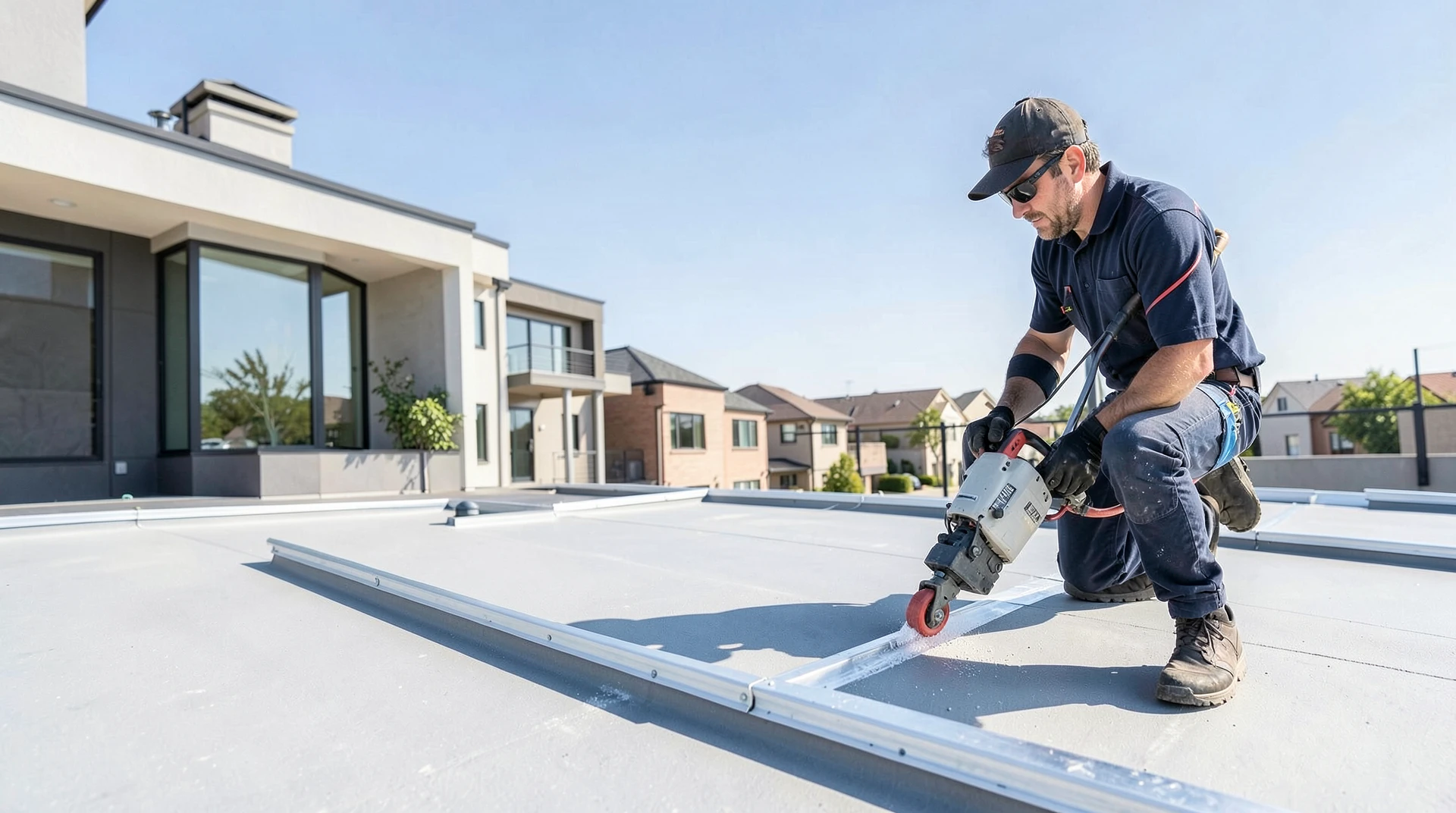
In practice, this process is methodical: it begins with an initial call to our 24/7 line. We dispatch a team for on-site assessment that is accountable, rapid, and focused. The immediate action often involves temporary, professional tarping-this isn't just slapping on tar; it's creating a reliable barrier to keep the rain out while we plan the permanent fix.
The repairs themselves are highly specific:
- Tears in Seams: These happen due to debris or movement and require immediate chemical sealing.
- Punctures: Often caused by falling branches, these must be reinforced and sealed immediately to prevent water from getting under the membrane.
- Failed Perimeter Flashing: The edges of the roof are constantly stressed; a failure here requires urgent intervention.
When you call us for an emergency service, rest assured that we aren't just looking at the surface level. We are restoring the critical barrier that protects your family’s greatest investment-your home. Our goal is to get you back to peace of mind as quickly and safely as possible.
The Invisible Problem: Why Drainage and Flashing Are Critical to Flat Roof Longevity
If I could give homeowners one single lesson about flat roofs, it would be this: a roof is only as good as its drainage points. This concept often gets overlooked because the membrane itself looks solid and uniform. However, a low-slope roof system is essentially a complex plumbing network. Water must travel from point A to drain B with minimal resistance.
This brings us back to flashing failures. Most leaks don't happen in the middle of a clean TPO field; they happen around penetrations-the vents, the pipes coming through walls, or where the roof meets an exterior wall section. Flashing materials are designed to seal these transitions, but they are subject to immense stress from temperature expansion and contraction over time. If that flashing was improperly installed decades ago, or if it's been damaged by root growth or building settling, water will find that gap, no matter how perfect the rest of the roof is.
Furthermore, we must discuss structural implications. Water pooling on a low-slope roof causes standing water. This constant saturation accelerates material degradation and can weaken supporting structures beneath the surface. Proper slope (or grade) and functional scuppers are not merely suggestions; they are vital components that define any successful repair plan.
For established homes in neighborhoods like Green Park, where properties have complex drainage systems developed over decades, specialized knowledge is non-negotiable. We bring that deep, local expertise to every single job site.
Beyond the Crisis: Building Peace of Mind with Proactive Roof Maintenance

The ideal scenario is one where you never have to call an emergency line at all. How? By shifting your focus from reactive fear to proactive confidence. This isn't about adding more things to worry about; it's about implementing simple, preventative measures that pay for themselves many times over.
We strongly recommend routine Roof Condition Checks. These professional inspections are not a luxury-they are cheap insurance against catastrophic costs later. During this thorough process, we look for the minor signs of wear: small seam cracks, slight dips in drainage areas, or early signs of flashing compromise. Addressing these minor issues when they are found before they leak allows us to make simple, inexpensive repairs that prevent them from becoming massive structural failures.
By treating your roof system with proactive care and timely, small interventions, you dramatically increase the overall life of the entire roofing structure. This is not just about keeping water out; it's fundamentally about maintaining the property’s resale value and curb appeal in desirable communities near Indian Oaks or Country Place. We want to help you achieve lasting peace of mind-the kind that comes from knowing your home is protected by expert, reliable care. If you are considering specific local needs, you can see project details here for roofing in White Rock Lake, TX.
If you ever notice any strange damp spots, persistent odors, or simply feel uneasy about the age of your roof system, don't wait for a major storm. Call us today at +1 469-589-3827 to schedule an inspection. We are here to guide you from simple maintenance checks right through to complex emergency repairs, ensuring that every phase of care is transparent and deeply accountable.