
When you look up at a beautiful roof, it’s easy to think of shingles or metal panels-the visible layers that offer immediate protection. But I’ve spent over two decades working on roofs across Central Texas, and what I’ve learned is that a roof is not just a collection of materials; it is a complex, interconnected drainage system. If you treat your roof like a single blanket covering the house, you will misunderstand its true vulnerability points when considering options for roofing near Crandall.
We know that when you see dark spots or hear drips in your attic, it feels overwhelming. It triggers immediate anxiety and fear-and rightly so. But before we even talk about replacement costs or materials, we have to ask: Why is the water pooling there? Our first step with every single property, whether it's a local storefront near Indian Creek or an established home in Country Place, is identifying why the water is behaving badly.
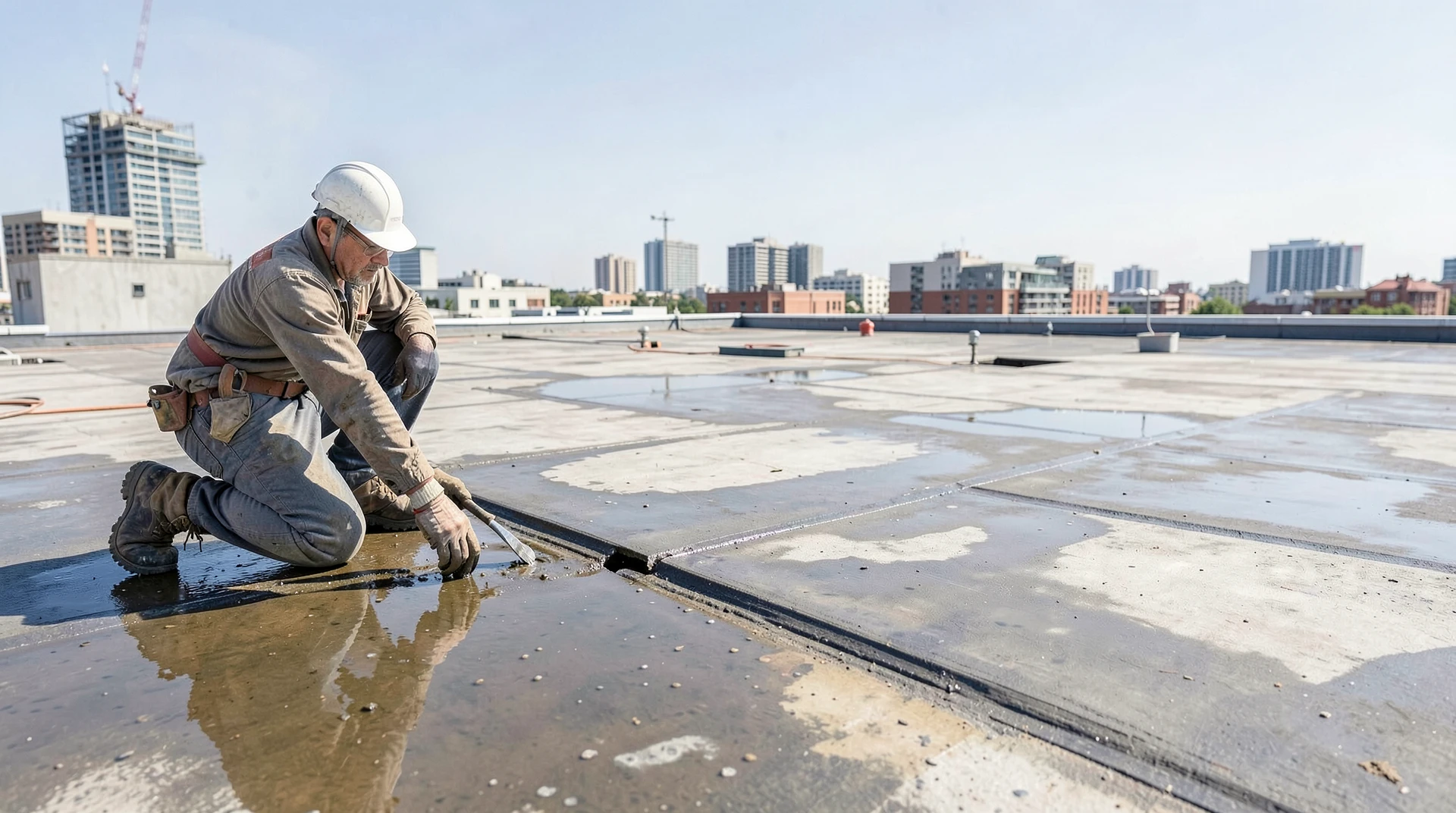
This brings us to drainage. When water pools-what we call standing water-it doesn't just sit there harmlessly. Think of time and saturation as the silent enemies of your roof. Over weeks and months, that pooled water compromises underlying materials like insulation, wood decking, and structural supports. This leads to hidden rot and eventual structural damage long before you see a major leak from above.
Understanding good drainage is like understanding natural grading. Good grading directs water away from your foundation, guiding it smoothly off the property entirely. Poor grading, however, lets water linger. It allows it to seep into foundations or accumulate against walls, creating pressure points that can undermine the very structure the roof is supposed to protect. If you suspect pooling spots-whether on a large commercial flat roof or just near your home’s perimeter-you should investigate Sherrill Park roof replacement options to understand the full scope of necessary repairs.
The Engineering Behind Managing Standing Water on Low Slope Roofs
This specific technical challenge is where many homeowners get confused, but it’s also central to protecting commercial properties in White Rock Lake. We are talking about managing standing water on commercial low slope roofs. These systems-the kind found on most local businesses, retail centers, and industrial complexes-are highly susceptible to ponding because, by design, they need to be relatively flat for architectural reasons or structural support.
When a roof is flatter than it should be, the surface tension of the water causes it to gather in low points, creating pools. This isn't just an aesthetic problem; it’s an engineering failure point. The standing water creates massive amounts of hydrostatic pressure. Imagine that weight-it's not just sitting on the membrane; it is actively pushing up through seams, flashing details, and even into the insulation layer beneath.
To address this, commercial roofing experts use specialized materials designed explicitly for waterproofing and, crucially, drainage management. We aren't talking about a simple patch job. A proper solution requires multiple layers:
- The Membrane: High-performance membranes like TPO (Thermoplastic Polyolefin) or modified bitumen are used because they offer exceptional waterproofing seals that can resist the pressure exerted by standing water.
- Internal Drainage: The system must incorporate engineered scuppers and internal drains designed to capture water from low points and direct it efficiently to a controlled outflow point, preventing surface pooling entirely.
- Grading Adjustments: Often, the root problem is that the underlying structure requires minor grading adjustments-a few inches of slope correction-to ensure gravity does its job and directs runoff away from the building envelope.
The difference between simple surface pooling and deep structural saturation can be catastrophic. If we fail to address the root cause of why water is collecting, even the best roofing materials will eventually succumb to the constant pressure. This meticulous approach to managing standing water on commercial low slope roofs ensures that the roof’s longevity relies on its fundamental drainage capability, not just the strength of its visible top layer.
Why Surface Pooling Isn't Enough: The Pressure Problem
When we discuss structural saturation versus surface pooling, it helps to understand pressure. Think of a sponge. If you press down hard (the water weight), and there are weak spots in the material beneath (a seam or flashing detail), the combined force can push through those weaknesses. This is hydrostatic pressure at work. It’s why simply applying more sealant over a pooled area isn't enough; we must correct the slope and install an engineered internal drainage system that physically removes the standing water source. For example, understanding the differences between materials like modified bitumen roofing and other systems helps in diagnosing where water ingress is most likely to occur.
Bridging the Gap: How Commercial Principles Apply to Your Residential Home
It might seem like commercial roofing-with its TPO membranes and complex scuppers-is worlds away from your residential home in Indian Creek, or a high-end property near Country Place. But the underlying physics of drainage are identical. The fundamental principle remains the same: Water must always move downward and away.
The job is simply translating massive industrial engineering principles into homeowner care. For residences, we focus on site drainage management. Even if your main roof surface looks perfect, external factors can create significant water flow issues that mimic commercial pooling problems. For residences, we focus on site drainage management, and when considering durable options like slate & tile roofing in White Rock Lake, proper water flow remains paramount.
Consider how local soil type and Central Texas's heavy rainfall patterns operate. When a tropical storm hits, or even during intense spring downpours, the sheer volume of runoff overwhelms natural drainage paths. This is where gutters, downspouts, and the grading around your foundation become mission-critical components of your roof’s entire protective system.
If surface runoff from your driveway, patio, or landscaping directs water toward your house-instead of channeling it away from your foundation-you are creating a localized pooling effect that can undermine your basement or crawl space structure. This is the residential equivalent of failure to manage standing water; the water is simply failing to get where it needs to go. When we investigate residential leaks, I often tell my clients: it’s rarely just the roof. It's often the entire site drainage-the grade from your sidewalk to the street, or the proper depth and angle of your downspouts-that requires attention first.
Warning Signs: When Drainage Issues Lead to Serious Damage
While we talk a lot about engineering solutions, it’s important that you know what signs to look for yourself. Recognizing the warning signs can save you thousands of dollars before a minor issue becomes a catastrophic structural failure. The key is learning to differentiate between superficial wear and actual saturation damage.
Common visible indicators include:
- Persistent Musty Odors: This often indicates mold or mildew growth deep within the insulation or decking, fueled by persistent moisture that has nowhere to go.
- Unexplained Moisture Stains on Ceilings: These are concerning, but we need context. A stain near a vent might be condensation (which is normal). But repeated, dark, spreading stains suggest water penetration from above, pointing directly to a drainage or flashing failure point.
- Efflorescence: This visible white, salty crust that appears on concrete or masonry surfaces is often the sign of minerals dissolved in running groundwater. It's proof that moisture is actively migrating through your foundation and walls-a major warning signal.
The flashings are also critical weak points. These are the metal pieces used around chimneys, vents, skylights, and edges where different materials meet. They are designed to waterproof joints, but they are perpetually vulnerable. Even if 95% of your roof looks perfect, a poorly sealed flashing detail is often the single point allowing water entry.
Don't panic over one stain. While it’s natural to feel overwhelmed when you see dark patches, remember that we need a thorough inspection that checks every drain point and seam before we can talk about high-cost solutions like full replacement. David Miller’s experience teaches me this: most problems are localized drainage failures in the flashing details, not necessarily failure of the entire roof membrane.
A Proactive Approach to Peace of Mind: Inspection and Restoration
The goal when you call us out is never immediate panic or an unnecessary tear-off. The true objective is accurate diagnosis. This approach helps counter that most common homeowner fear-the worry that every single stain means a $50,000 roof replacement is necessary right now.
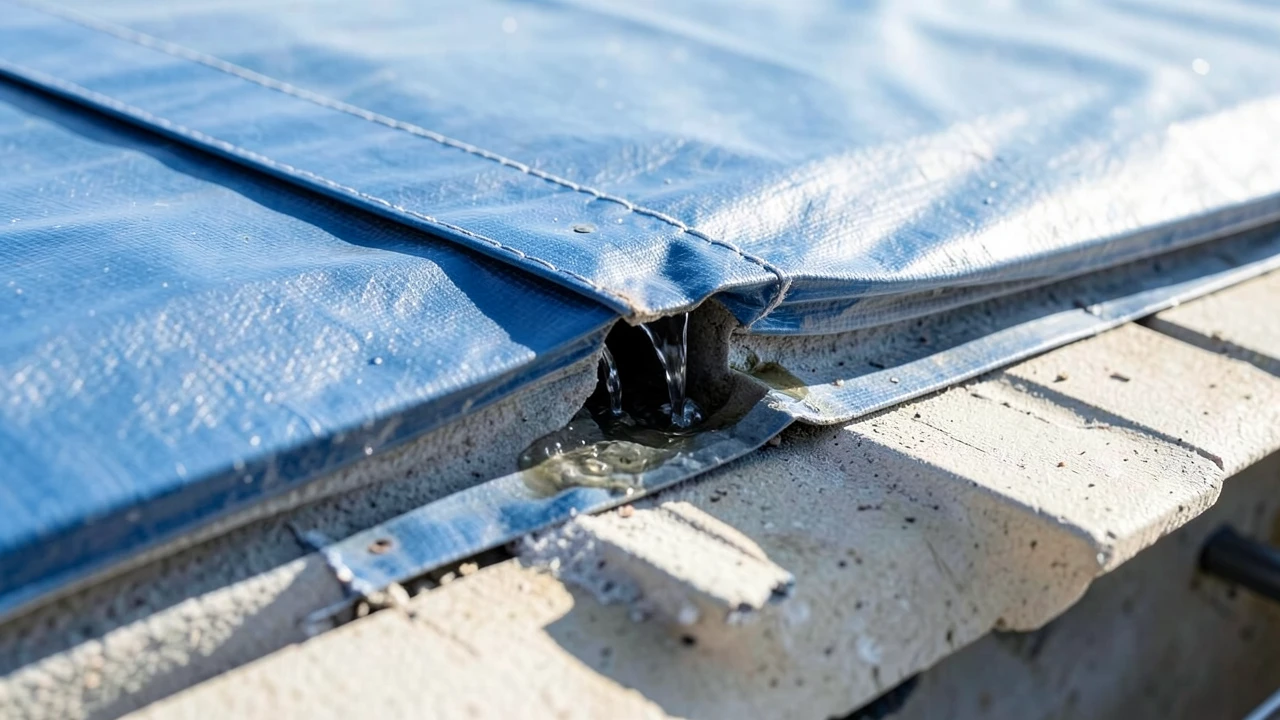
A comprehensive inspection goes far beyond simply looking at the visible shingles. We are assessing the entire system. This includes:
- Assessing Pitch Variation: Checking if there are any subtle dips or valleys in the grade that will cause pooling over time.
- Gutter and Downspout Health: Confirming that your surface runoff management is working efficiently, directing water away from the house foundation and into appropriate municipal drains.
- Under-Eave Inspection: Checking for signs of moisture intrusion where the roof meets the fascia board-a critical area often overlooked until serious damage occurs.
We also advocate for preventative measures. Regular, routine maintenance checks on your gutters and downspouts are inexpensive ways to prevent minor pooling issues from escalating into major leaks or structural concerns. If you notice water flowing along a wall instead of off the ground when it rains heavily, that's your signal that your site drainage needs attention before the next big storm hits.
Ultimately, whether we are performing a small section repair on a local White Rock Lake commercial property or planning for full replacement at an established home, our priority is giving you back your peace of mind. We handle the technical complexity-the grading adjustments, the specialized membrane layering, the meticulous flashing detail work-so that you only worry about enjoying your beautiful home and maintaining its curb appeal. When it comes to structural integrity and managing water flow, partnering with experienced local experts isn't just a purchase; it’s an investment in peace of mind for decades to come. Call us at +1 469-589-3827 or stop by our office at 6440 Sudbury Dr, White Rock Lake, TX 6440.