
How Often Are Commercial Roofs Required to Be Inspected By Law?
If you’ve ever opened an attic access panel and been met with the unsettling sight of dark stains or a mystery drip, you know how stressful that worry can be. It's confusing to look up online and find conflicting information about what your roof needs-is it just cosmetic wear, or is there a major structural problem hiding underneath? When dealing with commercial properties, the question often surfaces: how often are commercial roofs required to be inspected by law?
The truth is, getting a simple 'yes' or 'no' answer doesn't exist. Roofing laws are complex because they depend heavily on local city ordinances, specific insurance policies, and even the type of property you own. For instance, some municipalities may mandate inspection after severe weather events (like high winds hitting Indian Creek), while others focus solely on building permits before major changes.
However, if I had to give you one piece of professional advice based on twenty years working across Central Texas, it’s this: While knowing the legal requirements is important for compliance, prioritizing your property's structural safety through a detailed, proactive assessment is always the best investment. A roof failure is rarely just about visible damage; it’s almost always linked to underlying issues-drainage blockages, failing flashing seals, or structural fatigue that only an expert can spot before disaster strikes.
Understanding the Law vs. Understanding Your Property's Needs
When we talk about compliance, many homeowners and property managers get stuck trying to determine if a specific law mandates a yearly inspection. This is where I need to pivot your focus from "What does the city require?" to "What does this structure require to last?"
The legal requirement for an inspection often only addresses visible hazards or major changes (like after a hurricane). But roofing, particularly in areas with rapid temperature shifts and intense seasonal storms like ours near Country Place, is a dynamic system. It fails when the elements do-not always where you can easily see it.
I remember working on a sizable commercial structure right here in White Rock Lake that looked perfectly fine from ground level. The owner was worried about visible cracks, but his roof failure point turned out to be three separate instances of poorly sealed pipe penetrations-tiny spots that had allowed water to seep into the sub-structure over years. These are hidden issues, and they are often what causes the most expensive damage later on with our service offerings.
This is why we treat a professional inspection not as a bureaucratic checkbox, but as an essential risk management tool. It’s about peace of mind. When you hire us for a thorough assessment, we aren't just checking boxes; we are giving you the clarity you need to understand if this is a minor repair that will solve the problem for five years, or if it’s time for a full replacement before the inevitable failure occurs.
What Does a Truly Thorough Roof Inspection Actually Cover?
When people hear "roof inspection," they often picture me just climbing up and looking at the surface material-the shingles, the membrane, etc. That is only about 10% of what an expert assessment includes! If you are worried about getting a quote that feels like an interrogation or one that seems unnecessarily expensive, I want to walk you through exactly what we are actually looking for.
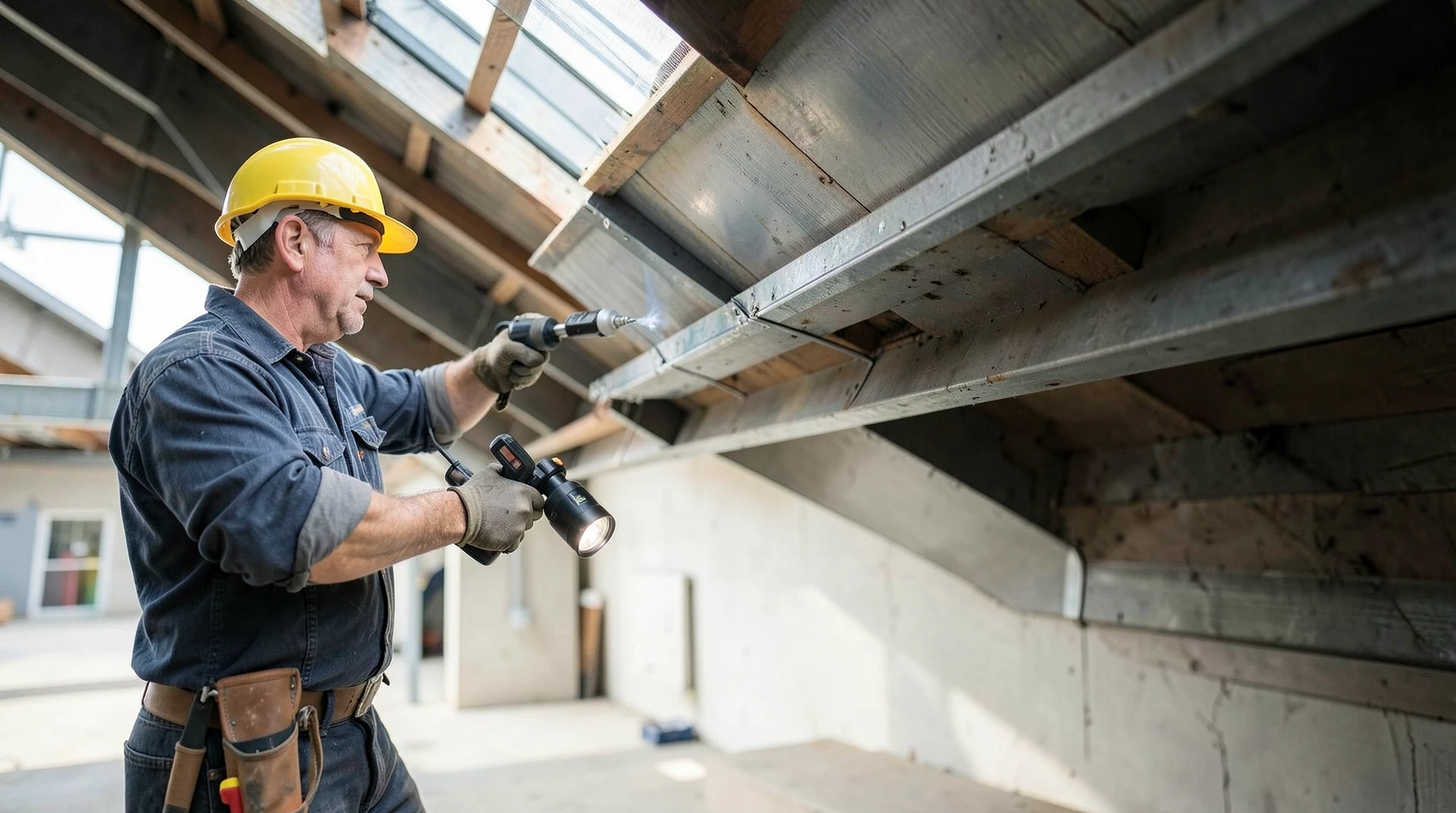
A professional inspection goes deep into the roof's circulatory system. We check far beyond just the visible surface. Our primary focus areas include:
- Penetration Points: Every vent pipe, plumbing stack, and HVAC unit that penetrates the roof membrane is a potential leak site. These require specialized flashing seals to keep water out.
- Flashing Integrity: Flashing acts like the vital seals around your house’s joints-it directs water where it needs to go and prevents it from entering the building envelope itself. We check these meticulously for rust, lifting, or gaps.
- Drainage Patterns & Gutters: This is arguably my specialization. The roof system is useless if the water can't get off of it. We assess gutters, downspouts, and underlying drainage to ensure that runoff isn't pooling anywhere or overwhelming local stormwater systems. A blocked drain can cause structural pressure points far from where the water actually exits.
- Substrate Condition: This means inspecting the underlying material (the deck) for signs of excessive moisture damage or foundational weaknesses that could lead to a larger, more costly collapse down the line.
By thoroughly detailing this scope, we help you understand that this initial assessment is not an expense; it's a preventative investment designed to prevent massive future leak remediation costs-which are always far higher than the cost of the inspection itself.
The Difference Between Age-Related Wear and Structural Failure
One of the biggest struggles I see homeowners having is distinguishing between normal, cosmetic deterioration and genuine structural or material failure. Some contractors might point to faded color or minor granule loss and suggest an immediate replacement, even if the roof has decades of life left. We want to help you avoid that.
We need to distinguish between:
- Cosmetic Issues: Things like fading or slight granular wear. These are gradual signs of aging but do not necessarily mean imminent failure.
- Structural/Material Failure: This is concerning when we see blistering membranes, fasteners that are significantly rusted through, or evidence of repeated water intrusion points (like mold growth in the attic cavity).
A professional assessment helps you track the Roof Lifespan Curve. A roof doesn't fail instantly; it shows patterns of fatigue. We assess how well your current system is handling its load and stress factors. For properties in established Central Texas neighborhoods, we must factor in local stressors-like intense seasonal storms or sudden temperature drops-which accelerate material degradation far faster than slow deterioration alone would suggest.
When you ask us to look at the drainage aspects of a property (a key part of our process), we are looking for signs that water is causing stress on the underlying structure, which is often the true precursor to failure. I'll share an anecdote: I once inspected a lovely home in Indian Oaks where the roofing material looked great, but because the downspout was improperly graded and dumping runoff directly against the foundation wall, it had caused significant structural saturation right at the base of the house-a clear case of drainage causing a problem far away from the roof itself.
Beyond Compliance: Why Proactive Inspection Protects Your Resale Value
Let’s shift gears for a moment and talk about something that touches every homeowner here in our area, whether you live near Trinity Mills or deep within Country Place: your personal investment.
A well-maintained roof is one of the single biggest assets when it comes to resale value. When potential buyers or insurance adjusters see visible signs of neglect-like obvious water staining on ceilings, multiple leak repairs done in different materials, or general disrepair-they immediately view it as a major liability. This can drastically lower perceived value before you even list the property.
This is why we stress proactive inspection. By having documentation showing that your roof has undergone professional maintenance and assessment (a detailed report from us), you are mitigating risk for future buyers and, critically, you are impressing insurance companies. If you have recently experienced hail or high winds-even if there’s no visible damage today-an immediate post-storm check is crucial. Minor storm damage can easily turn into a massive leak down the line if not addressed immediately by an expert.
While knowing how often are commercial roofs required to be inspected by law? gives you general knowledge of compliance, prioritizing structural safety through our comprehensive residential inspection protects your personal investment and financial peace of mind far more effectively than any legal checklist ever could.
From Inspection Report to Peace of Mind: Planning Your Next Steps

The goal of the initial assessment is never to scare you into buying the most expensive solution; it's to give you a clear, actionable picture of what needs doing and why. Once our team completes the thorough inspection, here is exactly what you can expect:
- Detailed Documentation: You receive a comprehensive report detailing every finding-including high-resolution photos of flashing failures, compromised membranes, or drainage issues.
- Prioritized Issues Discussion: We walk you through the findings and separate them into tiers: Tier 1 (Immediate Fixes)-things that are actively leaking right now; Tier 2 (Mid-Term Planning)-issues that require attention within the next few years, like a worn membrane; and Tier 3 (Longevity Strategies)-suggestions for maximizing lifespan or upgrading materials (like considering durable metal roofing).
- Transparent Pricing Options: We then discuss transparent pricing options tailored to your budget and the home's actual needs.
My approach is always neighborly. I treat your property like it's my own, which means our recommendations are grounded in structural necessity, not just sales pressure. Whether we recommend minor leak repair or a full replacement with modern materials, you will understand why that choice was made and exactly what the cost entails.
If you are sitting on the sidelines worrying about visible stains or vague worry about the roof’s longevity, please don’t wait for the crisis to hit. The best way to protect your curb appeal, maintain structural integrity, and ensure peace of mind is by scheduling that thorough initial assessment today. Call us at +1 469-589-3827 or visit us at 6440 Sudbury Dr, White Rock Lake, TX 6440. Let’s turn that roofing anxiety into a clear plan of action in all our service areas. Custom Roofing. Home.